
Desserts
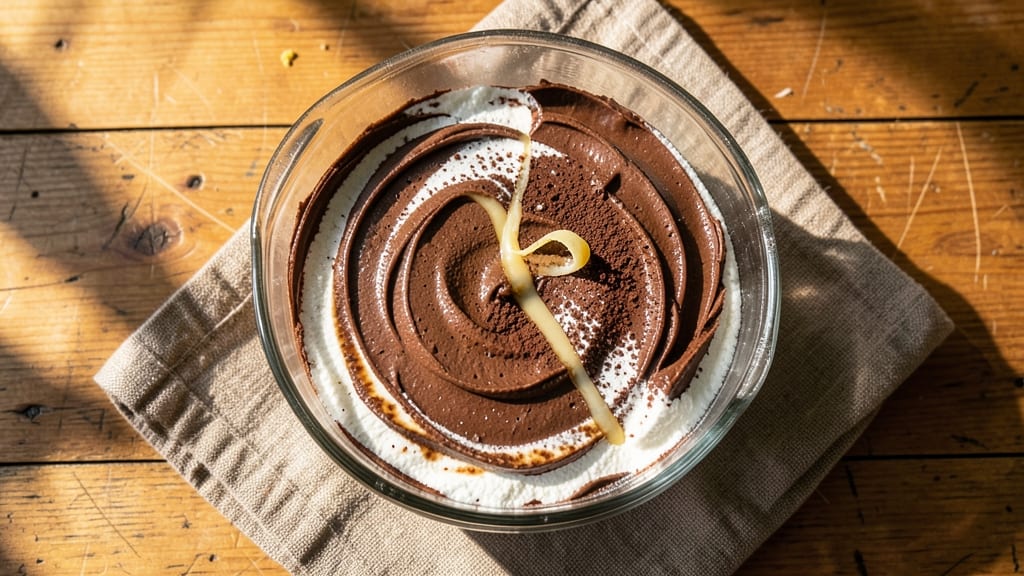
This Bakers Square chocolate frosting recipe delivers that iconic, velvety-smooth texture without requiring a mixer—just a few simple ingredients and a whisk. The secret lies in proper technique: melting butter and chocolate together before gradually incorporating powdered sugar and cocoa.
This method ensures a frosting that's rich, spreadable, and perfect for layering cakes or filling cupcakes.
What sets this recipe apart is its foolproof consistency—no lumps, no graininess, and just the right balance of sweetness and cocoa depth. The key steps involve tempering the butter properly and beating the mixture until it's light and airy.
This frosting is designed to be versatile, working beautifully for both piping and spreading, whether you're decorating a sheet cake or filling a batch of cookies.
For those who prefer variations, you can easily transform this into a cream cheese frosting by adding softened cream cheese or create a ganache-style version by using more chocolate and less sugar.
The result is a frosting that tastes like it came straight from a bakery, with that signature Bakers Square richness. Ready in just 15 minutes, it's the perfect finishing touch for any chocolate dessert.
This recipe also works well for dietary adaptations—swap butter for vegan margarine and milk for a plant-based alternative to create a vegan-friendly version. The texture remains smooth and spreadable, proving that great frosting doesn't require complicated ingredients or equipment. Let's get started on creating that perfect, velvety finish.
Ingredients for bakers square chocolate frosting
Eight simple ingredients transform into that legendary Bakers Square velvet frosting.
| Ingredient | Amount | Notes |
|---|---|---|
| Unsalted Butter 🧈 | ½ cup | Cold, cubed for easier melting |
| High-Quality Dark Chocolate 🍫 | 6 oz | 60-70% cocoa, chopped fine |
| Powdered Sugar 🍚 | 2 cups | Sifted for smooth texture |
| Unsweetened Cocoa Powder 🍫 | ½ cup | Natural or Dutch-processed |
| Vanilla Extract 🌿 | 1 tsp | Pure Madagascar preferred |
| Milk 🥛 | ¼ cup | Warm for easier mixing |
| Salt 🧂 | ¼ tsp | Fine sea salt for balance |
| Heavy Cream 🥛 | ¼ cup | Cold, for stability |
The butter and chocolate are your power duo here—use high-quality dark chocolate (like Ghirardelli or Lindt) for that signature depth. Unsalted butter ensures you control the saltiness, and cold cubes melt more evenly than softened butter. I always grab my chocolate from Whole Foods or Trader Joe's—their bars chop easily. The powdered sugar? Bob's Red Mill is my go-to because it's sifted and fine, which prevents graininess. Pro tip: measure your powdered sugar into a bowl first, then sift directly into your mixing bowl to avoid clouds of sugar dust everywhere.
No dark chocolate? Semi-sweet chocolate chips work in a pinch, but melt them separately first. Swapping heavy cream for coconut milk creates a vegan version—just use full-fat canned coconut milk for richness. Short on vanilla? Vanilla bean paste adds those little specks that make it look like a bakery creation. The cocoa powder can be Dutch-processed (smoother) or natural (more acidic)—both work, but Dutch-processed blends better with the sweetness. And if you're worried about lumps, warm the milk slightly before adding it to the melted chocolate mixture—it helps everything blend silky smooth.
This frosting stays fresh for 5 days in the fridge, sealed tightly in an airtight container. For longer storage, portion it into small jars or containers—freezes beautifully for up to 3 months. The key is to let it cool completely before sealing to prevent condensation. Need to use it quickly? Spread it between parchment paper and refrigerate—it'll be ready to pipe or spread in just 10 minutes. And if you make extra? Use it to fill cupcakes or drizzle over brownies—trust me, it disappears fast.
Why You'll Love This Recipe
- Four-Ingredient Magic: I swear, this frosting only needs butter, chocolate, powdered sugar, and cocoa—no fancy gadgets or measuring headaches. Melt the butter and chocolate together, then just stir in the dry stuff until it’s smooth. That’s it. No waiting for eggs to cool, no beating for ages.
- Rich Without the Guilt: The dark chocolate and cocoa powder team up for a deep, bittersweet flavor that’s way more sophisticated than store-bought. Honestly, the vanilla extract ties it all together so nicely, you’ll want to drizzle it over everything—even plain cake feels like a treat.
- Birthday or Breakfast: Slather it on cupcakes for a party, spread it between cake layers, or—here’s what I do—dip apple slices in it for a dessert that’s basically a hug. It’s the kind of frosting that works just as well for a last-minute celebration as it does for a lazy Sunday morning.
- Zero-Waste Luxury: This recipe makes enough for two cakes or a dozen cupcakes, and leftovers? They keep for weeks in the fridge. Between us, I’ve used up scraps on toast, ice cream, or just eaten it straight from the bowl. Plus, dark chocolate and butter are cheaper than you’d think when you buy them in bulk.
Step-by-step instructions for Bakers Square chocolate frosting
Here's how to create that iconic velvety texture without a mixer—just patience and technique.
Melt Butter and Chocolate Together
In a medium heatproof bowl set over a saucepan of simmering water (double boiler), combine the 0.5 cup unsalted butter and 6 oz high-quality dark chocolate. Stir gently until the butter melts completely and the chocolate transforms into a smooth, glossy mixture. You'll know it's ready when the chocolate loses its graininess and becomes completely liquid—this should take about 5-7 minutes. Remove from heat immediately to prevent overheating.
Here's the thing—don't rush this step. If you see any remaining chocolate chunks, return the bowl to the heat for another 30 seconds and stir. The mixture should be completely smooth before moving forward. This creates the perfect fat base for your frosting, ensuring that velvety texture we're after.
Whisk in Powdered Sugar and Cocoa Powder
Transfer the melted chocolate mixture to a large mixing bowl. Using a sturdy whisk, gradually add the 2 cups powdered sugar and 0.5 cup unsweetened cocoa powder, whisking constantly to prevent lumps from forming. Start with small additions of powdered sugar to control the texture—this prevents a dusty cloud from forming when you pour.
Whisk vigorously for 3-4 minutes until the mixture begins to lighten in color and thicken slightly. You should see the sides of the bowl begin to come clean with each stroke. This is where the magic happens—the powdered sugar and cocoa powder dissolve completely into the fat base, creating that signature smooth consistency.
Incorporate Warm Milk and Vanilla
In a small saucepan, gently warm the 0.25 cup milk over medium-low heat until it's just steaming (don't let it boil). Remove from heat and stir in the 1 tsp vanilla extract. Pour this warm milk mixture into the chocolate mixture while whisking continuously. The warmth helps dissolve any remaining powder completely.
Continue whisking for another 2-3 minutes until the frosting reaches a smooth, spreadable consistency. It should coat the back of your spoon but still be pourable. If it's too thick, add 1 tablespoon of warm milk at a time until it reaches the perfect texture. This step is crucial—adding warm milk prevents the frosting from becoming grainy as it cools.
Add Salt and Heavy Cream for Stability
Sprinkle in the 0.25 tsp salt and 0.25 cup cold heavy cream while whisking constantly. The salt enhances the chocolate flavor, while the cold cream adds stability and prevents the frosting from becoming too runny as it cools. Whisk for another 1-2 minutes until fully combined and smooth.
Here's a pro tip: For an extra-smooth finish, strain the frosting through a fine-mesh sieve into a clean bowl. This removes any microscopic lumps that might have formed during mixing. The final texture should be velvety, glossy, and thick enough to hold peaks when spread—but not so stiff that it cracks when piped.
Chill and Test for Perfect Consistency
Cover the frosting with plastic wrap, pressing the wrap directly onto the surface to prevent a skin from forming. Refrigerate for 30-60 minutes to allow the flavors to meld and the texture to set properly. This chilling step is essential—it firms up the frosting just enough for easy spreading while maintaining that signature Bakers Square smoothness.
After chilling, give the frosting one final whisk to restore its creamy texture. Test its consistency by spooning a small amount onto a plate and observing how it spreads. It should hold its shape when piped but still be smooth enough to create those beautiful swirls. If it's too thick, whisk in 1 teaspoon of warm milk at a time until it reaches the perfect balance between spreadable and pipeable.
Pro Tips For Making Bakers Square Chocolate Frosting
- Melt Chocolate Slowly: I learned this the hard way—dumping chopped chocolate into hot butter too fast makes it seize up like scrambled eggs. Instead, melt the butter first (just until it’s liquid), then lower the heat to medium-low and add the chocolate in small batches, stirring constantly until it’s fully smooth. If you’re impatient like me, use a double boiler or microwave in 20-second bursts, but keep an eye on it.
- Sift the Cocoa: Unsweetened cocoa powder is a powder-hound—it clumps like a stubborn guest who won’t leave. Sift it with the powdered sugar before mixing, or at least whisk it vigorously to break up any lumps. Skipping this step means you’ll end up with a frosting that’s grainy, no matter how much you beat it.
- Beat Butter Until Pale: Creaming the butter until it’s light and fluffy (almost pale yellow) is non-negotiable here. If you rush it, the frosting will taste greasy and lack that silky texture. Use a stand mixer and let it run for 2-3 minutes—yes, even if it feels like overkill. Trust me, your frosting will thank you.
- Add Vanilla Last: Vanilla extract is volatile—heat or prolonged mixing can kill its flavor. Stir it in just before folding the frosting into whatever you’re decorating, or at the very end of mixing. Adding it early means you’ll end up with a frosting that tastes like… well, nothing special. Save it for the final touch.
Wine and beer pairings for this dish
Rich Chocolate Wines
For a decadent pairing, reach for a Cabernet Sauvignon with 12-14% alcohol—its bold tannins and dark fruit notes complement the chocolate's bitterness beautifully.
I love Louis Martini's Private Reserve or Concha y Toro Casillero del Diablo, both of which have enough depth to stand up to the frosting's richness. The key is a wine with at least 12% alcohol to cut through the fat without overpowering the cocoa. 🍷
Port Wine Surprise
Skip the red wine aisle entirely and grab a bottle of tawny port—its caramelized, nutty flavors mirror the frosting's sweetness and depth. A 10-year tawny port like Graham's Six Grapes or Dow's adds a luxurious touch that elevates the dessert experience.
The slight bitterness in aged ports also balances the sugar in the frosting, creating a harmonious bite.
Creamy Dessert Whites
If you prefer white wines, opt for a Chardonnay with noticeable oak aging—think Meiomi or Kendall-Jackson Vintner's Reserve. The buttery notes in these wines create a delightful contrast with the frosting's chocolate intensity.
For something lighter, a Viognier like La Crema offers floral and stone fruit flavors that play well with the frosting's vanilla undertones.
Beer Pairings
For beer lovers, a dark stout like Guinness or Samuel Adams Black Lager provides a malty sweetness that pairs surprisingly well with chocolate. The roasted barley notes in these beers enhance the cocoa's depth, while the creamy head mimics the frosting's texture.
If you prefer something lighter, try a Belgian dubbel like Westmalle Dubbel—its caramel and spice notes create a delightful contrast.
Non-Alcoholic Options
Don't drink alcohol? No problem! A chocolate milk made with dark chocolate syrup (like Ghirardelli) and whole milk mimics the frosting's richness. For something fancier, try hot spiced apple cider—the cinnamon and clove notes complement the chocolate beautifully.
Even a vanilla chai latte with steamed milk adds warmth and depth to the dessert experience. 🥛
Coffee or Tea Finish
End your dessert course with a strong espresso or dark roast coffee—the caffeine helps cleanse your palate and enhances the chocolate flavors. For a tea option, Earl Grey with its bergamot notes provides a refreshing contrast.
I often serve a small cup of hot chocolate** made with the same dark chocolate used in the frosting to create a cohesive experience. ☕
Nutrition facts
Frequently asked questions
Why does my chocolate frosting turn grainy?
Graininess usually happens when powdered sugar isn't fully dissolved or when the mixture cools too quickly. Always whisk the powdered sugar into the melted chocolate mixture gradually, and use warm milk to help dissolve it completely. For extra smoothness, strain through a fine-mesh sieve before chilling.
Can I make this frosting without a whisk?
Use a sturdy spoon or even a fork to mix the ingredients thoroughly. The key is patience—keep mixing until the frosting reaches a smooth, spreadable consistency. For best results, strain it through a sieve afterward to remove any tiny lumps that might have formed.
How do I adjust the sweetness level?
Start with the 2 cups powdered sugar as written, but you can reduce it to 1.5 cups for a less sweet frosting or increase to 2.5 cups for extra sweetness. Adjust in 0.25 cup increments and taste as you go. For deeper flavor without more sugar, add 1 tablespoon extra cocoa powder.
What's the best way to store leftover frosting?
Transfer to an airtight container and refrigerate for up to 5 days. For longer storage, freeze in portions for up to 3 months. Thaw overnight in the fridge before using. Pro tip: Spread between parchment paper before refrigerating to prevent sticking.
Can I substitute butter with margarine?
For a vegan version, use vegan butter or margarine in a 1:1 ratio, but expect slightly less richness. For best results, choose a high-quality brand with at least 80% vegetable oil content. The frosting will still be smooth but may have a slightly different texture when chilled.