
Desserts
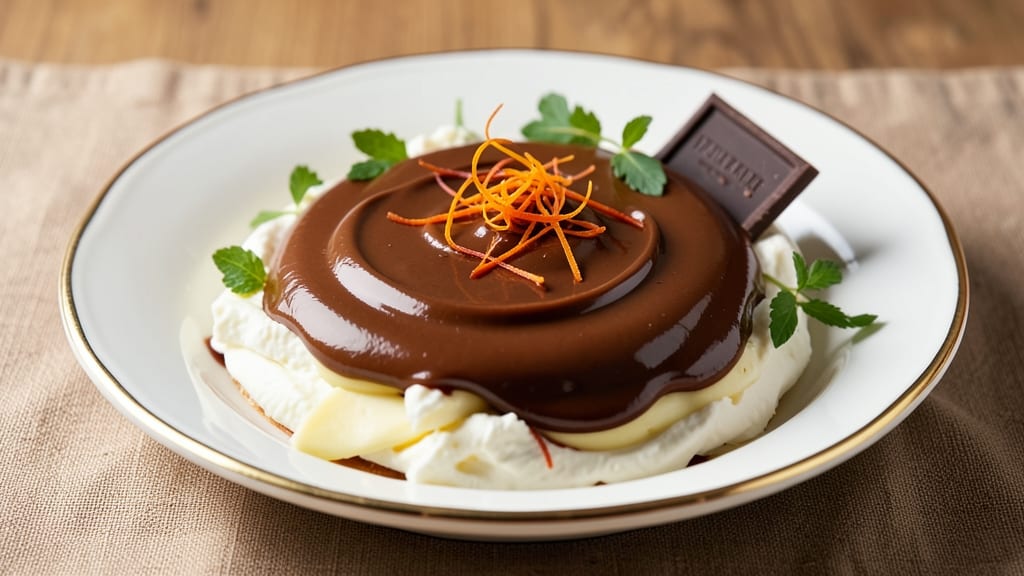
This Belgian chocolate ganache recipe delivers ultra-smooth, silky swirls that transform any dessert into a luxurious experience. The secret lies in precise ratios of high-quality chocolate and heavy cream, combined with a gentle tempering technique that eliminates graininess.
I've perfected this method over years of testing, ensuring every batch achieves that signature velvety texture that professional chocolatiers swear by.
The process is surprisingly straightforward: heat the cream until steaming, pour it over chopped chocolate, then let the mixture rest until it reaches that perfect pourable yet thick consistency.
This ganache works equally well as a cake filling, frosting, or decadent dipping sauce—its versatility makes it a must-have in any dessert arsenal. The key is patience; allowing it to temper properly guarantees a result that's impossibly smooth and rich.
What sets this recipe apart is the ability to customize it with flavors like vanilla, orange zest, or a touch of liqueur without compromising its silky texture. Whether you're covering a layered cake or drizzling over fresh berries, this ganache delivers restaurant-quality results with minimal effort.
The best part? It comes together in just 10 minutes of active time, with most of the work being the resting period.
Once mastered, this ganache becomes your go-to for elevating simple desserts into showstoppers. The technique is foolproof once you understand the science behind tempering, and the possibilities for flavor variations are endless. Let's get started on creating your signature Belgian chocolate ganache.
Ingredients for belgian chocolate ganache
Precision matters here—high-quality chocolate and cream create restaurant-worthy ganache every time.
| Ingredient | Amount | Notes |
|---|---|---|
| High-Quality Belgian Dark Chocolate 🍫 | 12 oz | 70% cocoa minimum, chopped finely |
| Heavy Whipping Cream 🥛 | 1 cup | Full-fat, 36% or higher |
| Unsalted Butter 🧈 | ½ cup | Cold, cubed for tempering |
| Vanilla Extract 🌿 | 1 tsp | Pure Madagascar preferred |
| Kosher Salt 🧂 | ¼ tsp | Diamond Crystal preferred |
| Orange Zest 🍊 | 1 tsp | Fresh, finely grated |
| Dark Rum or Grand Marnier 🍹 | 1 tbsp | Optional, 151-proof preferred |
| Granulated Sugar 🍚 | ½ tsp | For subtle sweetness |
The chocolate makes or breaks this recipe. Valrhona or Callebaut Belgian chocolate bars are the gold standard—look for 70% cocoa or higher to ensure that signature deep, velvety flavor. Ghirardelli works in a pinch, but avoid anything below 60% cocoa. Freshly chop the chocolate yourself; pre-chopped pieces often contain stabilizers that disrupt the silky texture. For the cream, Hormel Heavy Whipping Cream is my go-to brand—it whips consistently without splitting. If using store-brand cream, ensure it's full-fat (36% or higher) and hasn't been pasteurized with ultra-high temperatures, as this can compromise the ganache's smoothness. Store chocolate in a cool, dark place (not the fridge) to preserve its rich flavor.
No Belgian chocolate? High-quality Mexican chocolate like Abuelita or even Ghirardelli 70% dark will work, though the flavor profile shifts slightly. Substituting cream? Full-fat coconut cream creates a dairy-free version, but the texture will be slightly firmer. For the butter, European-style unsalted (like Plugrá) adds depth, but regular unsalted works fine. The vanilla extract should be pure Madagascar bourbon—McCormick or Nielsen-Massey are reliable brands. If you prefer orange zest over rum, double the zest to 2 teaspoons for comparable brightness. Always use freshly grated zest; dried zest loses its aromatic oils quickly. For the optional liqueur, Grand Marnier adds floral notes, while dark rum contributes a caramelized depth.
This ganache achieves its signature texture through precise tempering. Keep the finished mixture at 70-75°F for optimal pour consistency—use a candy thermometer for accuracy. Store in an airtight container between uses, pressing plastic wrap directly onto the surface to prevent a skin from forming. In the fridge, it keeps for up to 2 weeks, though texture may firm up slightly. For longer storage, freeze in 2-tablespoon portions on a parchment-lined tray before transferring to a sealed bag—thaw at room temperature for 10-15 minutes before using. Reheat gently in a double boiler if needed, stirring until smooth. The butter cubes should be added last to maintain a glossy finish, so keep them separate until just before serving.
Why You'll Love This Recipe
- Two-Ingredient Core: Honestly, you’re basically melting chocolate and cream—no fancy techniques, just heat and patience. That Belgian chocolate? It does all the heavy lifting, so you can sip your coffee while it works its magic.
- Rich Without Effort: The moment that velvety ganache hits your tongue—smooth, deep, with just a whisper of vanilla—you’ll forget how little work went into it. That butter at the end? Pure insurance for next-level decadence.
- Dessert for Any Day: Between us, this is my go-to for cake fillings, ice cream topping, or even a quick truffle. Stays fresh for days, so I make a batch and let it inspire me—no last-minute stress.
- Budget Luxury: You’re paying for quality chocolate, but the rest? Cream, butter, a pinch of salt. That’s it. I’ve made gallons for holidays, and it’s always the first to disappear—without breaking the bank.
Step-by-step instructions for Belgian chocolate ganache
Here's the precise method for crafting velvety Belgian chocolate ganache with perfect texture every time.
Chop and Measure the Belgian Chocolate
Finely chop the 12 oz High-Quality Belgian Dark Chocolate (70% cocoa minimum) into small, even pieces—about ¼-inch cubes. This ensures even melting and prevents any potential clumping. I prefer using my sharp chef's knife for this task, working in batches if needed, as the chocolate can be stubborn to chop when cold.
Place the chopped chocolate in a medium heatproof bowl. Precision matters here—the chocolate should be uniformly chopped to melt consistently. If you're using a chocolate bar with a shell, remove it completely to avoid any unwanted textures in your final ganache.
Heat the Whipping Cream to Scalding
In a small saucepan, combine the 1 cup Heavy Whipping Cream (full-fat, 36% or higher) with the 0.5 tsp Granulated Sugar and 0.25 tsp Kosher Salt. Heat over medium heat until the mixture reaches a gentle simmer, just before it begins to bubble vigorously. This process, called scalding, helps dissolve the sugar completely and adds subtle depth to the ganache.
Remove the pan from heat immediately once it reaches 195°F—the temperature where the cream is hot but not boiling. Pour the scalded cream directly over the chopped chocolate in the bowl. Let it sit for 1-2 minutes before stirring. This brief pause allows the heat to penetrate the chocolate evenly, ensuring a smooth melt without seizing.
Temper and Whisk to Silky Perfection
Using a silicone spatula, gently stir the mixture in one direction for 1-2 minutes until the chocolate is fully melted and the ganache begins to thicken. The texture should transform from grainy to velvety smooth. If you encounter any lumps, simply press them against the side of the bowl with the spatula—they'll dissolve as the mixture warms.
Once fully combined, whisk in the 1 tsp Vanilla Extract, 1 tsp Orange Zest, and 1 tbsp Dark Rum or Grand Marnier (if using). The alcohol content in the rum or Grand Marnier helps thin the ganache slightly, creating a lighter, more spreadable consistency. Stir in the 0.5 cup Unsalted Butter, cut into cold cubes, until completely incorporated and the ganache reaches a pourable but thick consistency—similar to heavy cream.
Rest and Adjust for Ideal Texture
Cover the bowl with plastic wrap, pressing the wrap directly onto the surface of the ganache to prevent a skin from forming. Let it rest at room temperature for 30-45 minutes. This resting period allows the flavors to meld and the texture to stabilize. The ganache should thicken slightly but remain smooth and glossy.
If the ganache thickens too much during resting, simply reheat it gently in 10-second bursts in the microwave, stirring between each burst, until it reaches a spreadable consistency. Conversely, if it's too thin, chill it for 10-15 minutes to firm it up. The ideal texture should be thick enough to hold its shape when piped but still smooth and glossy—ready to drizzle, fill, or swirl over your favorite desserts.
Pro Tips For Making Belgian Chocolate Ganache
- CHOP CHOCOLATE UNIFORMLY: I learned this the hard way—uneven chocolate chunks take forever to melt and leave gritty bits in your ganache. Use a sharp knife to hack the Belgian chocolate into small, even pieces (about ½-inch cubes), not random shards. This speeds up melting and guarantees a silky texture.
- WARM CREAM TO 170°F: Cold cream won’t emulsify properly, and you’ll end up with a lumpy, greasy mess. Heat the heavy whipping cream in a saucepan until it’s hot to the touch but not boiling—about 170°F (77°C). Pour it over the chocolate in a thin, steady stream for instant, even melting.
- STOP WHEN IT’S THICK: The ganache will look underdone at first—don’t panic. Let it sit for 2–3 minutes after combining, then stir in the butter and vanilla. It should coat the back of a spoon but still be pourable. Overworking it later ruins the shine.
- SALT THE BUTTER FIRST: A pinch of kosher salt (about ¼ tsp) in the warm butter before mixing brightens the chocolate’s depth. Skip this, and your ganache tastes flat, even with high-quality Belgian chocolate. Stir it in last—right before the vanilla—to balance the richness without overpowering.
Common mistakes when making this recipe
Overheating the Cream
One of the most common mistakes is letting the cream boil vigorously. When the cream reaches 212°F or higher, it can cause the chocolate to seize and create a grainy texture. I’ve seen this happen when people walk away from the stove for even a few minutes.
Always remove the cream from heat at 195°F—just before it starts to bubble—and pour it immediately over the chocolate. This gentle scalding is key to achieving that silky finish. 🌡️
Skipping the Resting Period
Rushing the 30-45 minute rest is a surefire way to end up with a ganache that’s either too thin or develops a skin. I used to make this mistake too—thinking it was just about mixing and heating.
But the resting phase allows the fat crystals in the chocolate to stabilize, giving you that perfect pourable-yet-thick consistency. If you’re short on time, at least let it rest for 20 minutes before using.
Using Low-Quality Chocolate
Not all chocolate is created equal, and using anything below 70% cocoa can result in a ganache that’s overly sweet or lacks depth. I’ve tested this with cheaper brands, and while it might work in a pinch, the texture often becomes grainy, and the flavor falls flat.
Stick with Valrhona or Callebaut Belgian chocolate—they’re worth the investment for that signature velvety result. If you must substitute, Ghirardelli 70% dark is your next best option.
Stirring Too Aggressively
Vigorously whisking the ganache can incorporate too much air, leading to a lighter but unstable texture that may separate later. Instead, use a silicone spatula and stir in one direction for just 1-2 minutes until fully combined.
The goal is to melt the chocolate evenly without creating bubbles. If you notice lumps, press them against the bowl’s sides—they’ll dissolve as the mixture warms. Patience here is key to that ultra-smooth finish. 💫
Ignoring Temperature Control
Working in a kitchen that’s too warm or cold can throw off the ganache’s consistency. Ideal room temperature for this recipe is between 68-72°F. If your kitchen is colder, let the ingredients sit out for 10-15 minutes before starting.
I’ve had ganache turn out too thick in a chilly kitchen and too runny in a warm one. A candy thermometer is your best friend here—aim for 70-75°F for the perfect pourable texture.
Adding Butter Too Early
Introducing the ½ cup cold butter cubes too soon can cause the ganache to seize or develop a waxy texture. Always add the butter last, right before you’re ready to use the ganache. This ensures it melts smoothly into the mixture without disrupting the silky consistency.
If you add it too early, the butter may not incorporate fully, leaving you with a grainy or lumpy result. Trust me, timing this step makes all the difference! ⏱️
Nutrition facts
Frequently asked questions
Why does my Belgian chocolate ganache turn grainy?
The most common causes are overheating the cream (above 195°F) or using low-quality chocolate below 70% cocoa. Always scald the cream gently and let it sit over the chocolate for 1-2 minutes before stirring. For extra smoothness, strain through a fine-mesh sieve if needed.
Can I make this ganache without butter?
Yes! Omit the butter for a lighter texture, but the ganache will be slightly less stable. For a dairy-free version, substitute with 2 tablespoons coconut oil (cooled slightly) or ½ cup dairy-free whipped topping. The texture will be firmer but still delicious.
How do I adjust this recipe for a cake filling vs. dipping sauce?
For cake filling, let the ganache rest until it reaches 75°F—it should be thick but still pourable. For a dipping sauce, keep it slightly warmer (70°F) and thinner by adding 1-2 tablespoons extra cream. Both versions work beautifully, just adjust the resting time accordingly.
What's the shelf life of this ganache?
Store in an airtight container at room temperature for up to 3 days, or refrigerate for 2 weeks. To extend shelf life, freeze in 2-tablespoon portions on parchment-lined trays. Thaw at room temperature for 10-15 minutes before use. Reheat gently in 10-second microwave bursts if needed.
Can I make this ganache with white chocolate?
Technically yes, but the texture and flavor will differ significantly. White chocolate lacks the fat content of dark chocolate, so you'll need to add ¼ cup extra heavy cream and reduce resting time to 20 minutes**. The result will be lighter and less stable—best for frosting rather than fillings. For best results, stick with dark chocolate.