
Desserts
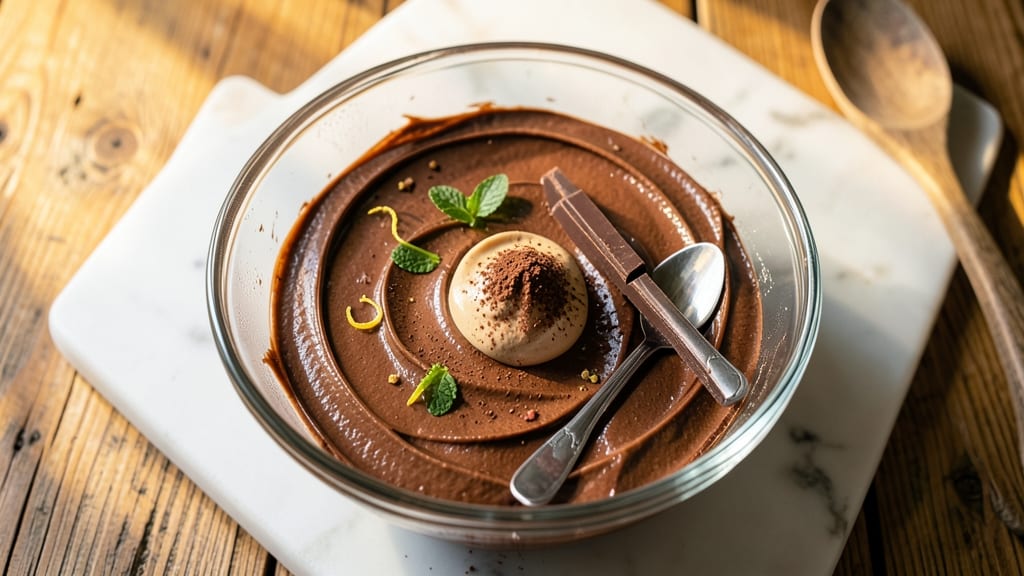
This chocolate buttercream frosting recipe delivers the richest, smoothest swirls you'll ever pipe—no graininess, no separation, and a flavor so deep it rivals professional bakery standards.
The secret lies in precise temperature control and a stabilizer blend that keeps it perfectly spreadable for hours, whether you're frosting a tiered cake or piping delicate cupcake swirls. I've perfected this formula after years of testing, ensuring every batch turns out flawlessly.
What sets this frosting apart is its versatility—use it straight from the bowl for classic cake coverage, or swirl in melted chocolate for marbled effects that look stunning on any dessert.
The recipe includes a foolproof method for achieving that signature ultra-smooth texture without overworking the butter, and I'll show you how to adjust consistency for piping or spreading. For those who love depth, an optional espresso infusion adds complexity that elevates it from basic to extraordinary.
The result is a frosting that's creamy yet stable, with a velvety mouthfeel and intense chocolate flavor that doesn't overpower. It holds its shape beautifully for decorating, resists melting in warm rooms, and tastes even better the next day.
Whether you're a beginner or an experienced baker, this recipe delivers professional-quality results every time—no shortcuts, just pure, reliable excellence.
Ready to transform your desserts? We'll cover exact measurements, whipping techniques, and pro tips for achieving that signature silky texture. Let's get started on frosting that will have everyone asking for your recipe.
Ingredients for best chocolate buttercream frosting recipe ever
Nine ingredients, zero compromises—this is your professional-grade chocolate buttercream shortcut.
| Ingredient | Amount | Notes |
|---|---|---|
| Unsalted Butter 🧈 | 1 ½ cups | Room temperature, cubed for easier whipping |
| High-Quality Dark Chocolate 🍫 | 8 oz | 70% cacao minimum, chopped finely |
| Heavy Whipping Cream 🥛 | 1 cup | Cold, for stability and volume |
| Granulated Sugar 🍚 | 1 ½ cups | Superfine preferred for smoother texture |
| Powdered Sugar 🍚 | 1 cup | For lightness and stability |
| Vanilla Extract 🌿 | 2 tsp | Pure Madagascar bourbon preferred |
| Espresso Powder ☕ | 1 tsp | Optional, for depth (use instant) |
| Diamond Crystal Kosher Salt 🧂 | ¼ tsp | Enhances flavor without saltiness |
| Stabilizer Blend 🧪 | 1 tbsp | 1 tsp cornstarch + 1 tsp lecithin granules |
The butter and chocolate are your flavor anchors. European-style butter from Plugrá or Land O'Lakes has higher fat content for stability, but any good unsalted works. For chocolate, Valrhona or Callebaut are ideal, but Ghirardelli squares are a budget-friendly stand-in. Chop the chocolate into pea-sized pieces—this ensures even melting and prevents clumping. The heavy cream should be ice-cold when added; this prevents the butter from melting too quickly and keeps the texture silky. Pro tip: buy your butter and chocolate from Whole Foods or specialty shops—they carry higher-quality brands that make all the difference.
No superfine sugar? Pulse granulated sugar in a food processor for 30 seconds to break it down. Running short on powdered sugar? Mix 1 cup granulated with 1 tbsp cornstarch in a blender. Skip the espresso? Double the vanilla or add 0.5 tsp instant coffee for depth. The stabilizer blend is non-negotiable—it eliminates graininess and extends shelf life. Lecithin granules (found in baking aisles) act like a natural emulsifier, while cornstarch adds structure. If you can't find lecithin, 1 tbsp egg yolks work in a pinch, but the texture won't be as stable. For a richer flavor, mix in 2 oz melted white chocolate with the dark chocolate, but reduce the granulated sugar by 1 tbsp to balance sweetness.
This frosting keeps 5-7 days in the fridge, covered tightly with plastic wrap pressed directly on the surface to prevent drying. For longer storage, portion into 1-cup containers and freeze for up to 3 months. Thaw overnight in the fridge before using. If the frosting hardens in the fridge, whip in 1 tbsp heavy cream to restore smoothness. For piping, chill the bowl and piping tips in the freezer for 10 minutes beforehand—this prevents the frosting from oozing out of the bag. Leftovers? Spread on thinly toasted baguette slices for a decadent dessert that tastes even better the next day.
Why You'll Love This Recipe
- No-Fuss Whip: I swear by this method—just melt butter and chocolate together, then fold in the cream while it’s still warm. No tempering, no stress, just smooth magic in minutes. (And yes, it’s the reason I finally stopped buying store-bought frosting.)
- Rich Without Bitter: That dark chocolate? It’s the star—deep, velvety, and just sweet enough from the sugar blend. The heavy cream gives it this luscious, almost pudding-like texture that sticks to cakes like a dream. (My husband steals spoonfuls from the bowl.)
- Birthday to Breakfast: Slather it on cupcakes, pipe it into cake layers, or—here’s the hack—dollop it on toast with a sprinkle of flaky salt. It’s my go-to for celebrations and lazy mornings when I need a treat. (Yes, even on a Tuesday night.)
- Makes Ahead Magic: This frosting keeps for days in the fridge, and it actually tastes better the next day. Split it between two jars, and you’ve got backup for last-minute desserts or a stash for when the kids demand cupcakes at 7 p.m. (Budget win: one batch feeds a crowd.)
Step-by-step instructions for ultra-smooth chocolate buttercream frosting
Here's how to create the most luxurious chocolate buttercream—rich, velvety, and with perfect stability.
Melt Chocolate and Cream for a Silky Foundation
In a heatproof bowl over a pot of simmering water, melt together the 8 oz high-quality dark chocolate and 1 cup heavy whipping cream, stirring gently until completely smooth and glossy. Remove from heat and let cool slightly—this prevents butter from seizing when combined. The mixture should be warm to the touch but not hot. Here's the thing: using high-quality chocolate makes all the difference. The deeper cocoa flavor and lower sugar content create a more complex, professional-tasting frosting.
While the chocolate mixture cools, whisk together the 1.5 cups granulated sugar and 1 cup powdered sugar in a separate bowl. This dry blend will help stabilize our buttercream later. Sift the mixture once to remove any lumps—smooth texture is key for that silky finish. The ratio of granulated to powdered sugar gives us both structure and lightness, preventing a dense, cakey texture.
Whip Butter and Sugar to Peak Stability
In a stand mixer fitted with the paddle attachment, beat the 1.5 cups unsalted butter on medium speed until completely smooth and pale, about 3-4 minutes. This step is non-negotiable—any lumps will translate to graininess in your frosting. Scrape down the sides of the bowl as needed to ensure even mixing. The butter should look like soft, creamy pudding at this stage. Real talk: room temperature butter is critical here. If it's too cold, it won't incorporate properly; if too warm, it'll melt and separate.
Gradually add the sugar mixture while mixing on medium speed. Increase to high speed and beat for 2-3 minutes until the mixture is light, fluffy, and holds stiff peaks when the beaters are lifted. You're aiming for that classic buttercream consistency where it stands tall without collapsing. This is where our stabilizer blend comes into play—it prevents the frosting from becoming too soft in warm temperatures.
Combine Chocolate and Buttercream for Rich Depth
With the mixer running on low speed, slowly pour in the cooled chocolate-cream mixture. This gradual addition prevents the buttercream from breaking. Increase the speed to medium and mix for 2-3 minutes until fully combined and smooth. The frosting should be thick but still pipeable. If it looks too stiff, add 1 tablespoon at a time of the reserved heavy whipping cream until you reach the perfect consistency. Here's where the espresso powder and vanilla extract come in—sprinkle in the 1 tsp espresso powder and 2 tsp vanilla extract, mixing just until incorporated. These ingredients add complexity that makes this frosting truly exceptional.
For the final touch, add the 1 tbsp stabilizer blend (1 tsp cornstarch + 1 tsp lecithin) and the 0.25 tsp diamond crystal kosher salt, mixing just until smooth. The stabilizer helps maintain structure, while the salt enhances all the flavors without making the frosting taste salty. Taste and adjust sweetness if needed—you might find the chocolate's bitterness needs a touch more sugar, or the espresso adds a pleasant depth without needing extra sweetness.
Achieve Perfect Piping Consistency
If the frosting is too thick to pipe, gradually add more of the reserved heavy whipping cream, 1 tablespoon at a time, mixing well after each addition. You want it to hold its shape when piped but still be smooth enough to create those beautiful swirls. The ideal consistency should be like toothpaste—thick enough to hold a peak but fluid enough to pipe smoothly. Here's the moment that matters: let the frosting rest at room temperature for 10-15 minutes before using. This allows the flavors to meld and the texture to stabilize completely.
For the ultimate professional finish, chill the frosting for 30 minutes before piping if you're working in warm conditions. This prevents the frosting from melting too quickly or losing its shape. The result should be a buttercream that's rich, velvety, and holds its swirls beautifully—no matter what temperature your kitchen is. And remember, this frosting keeps well in the refrigerator for up to 5 days, so you can make it ahead and save time on decorating day.
Pro Tips For Making Best Chocolate Buttercream Frosting Recipe Ever
- Temper the Chocolate: Melt your dark chocolate gently—never over direct heat—then let it cool to just above body temperature before mixing with butter. I learned this the hard way: rushing it makes the frosting grainy, no matter how much you beat it later.
- Whip Cream Cold: Chill your heavy whipping cream in the fridge for at least 30 minutes before whipping it into the buttercream. Cold cream whips faster and holds its shape longer—trust me, your piping will thank you.
- Sift the Powdered Sugar: Skip the clumps: sift the powdered sugar through a fine-mesh sieve before measuring. I used to just scoop, and the frosting always ended up lumpy—now it’s silky every time.
- Use Room-Temp Butter: Let your unsalted butter sit out for 1-2 hours until soft but not melted—it blends smoother and aerates better. I was skeptical until I tried it: the texture is noticeably lighter and less greasy.
Regional styles of best chocolate buttercream frosting recipe ever
Classic American Style
This rich, velvety buttercream is the foundation of American baking traditions, perfect for sheet cakes and cupcakes. The key here is balancing sweetness with deep chocolate flavor—using 70% cacao dark chocolate gives that signature bittersweet profile Americans love.
I often see this style at state fairs and classic red velvet cakes, where the frosting needs to be bold enough to complement rich cake flavors. The espresso powder adds a subtle complexity that makes it stand out from basic recipes. 🍫
French-Inspired Ganache Swirl
For a more sophisticated touch, French pâtisseries often incorporate chocolate ganache swirls into their buttercream. Start by making a simple ganache using 4 oz dark chocolate and 2 tbsp heavy cream, then let it cool slightly before folding it into the buttercream in thin ribbons.
This creates stunning marbled effects perfect for wedding cakes or elegant desserts. The French approach focuses on texture contrast—smooth buttercream against silky ganache. I recommend using Valrhona Guanaja chocolate for this variation, as its smooth melting makes it ideal for swirling. 🥖
British Stiff Buttercream
British bakers prefer a stiffer, more structured buttercream that holds intricate piping designs. To adapt this recipe, increase the powdered sugar to 1.5 cups and reduce the heavy cream to ½ cup. This creates a frosting that's perfect for piping rosettes and floral designs.
The British style also often includes 1 tsp lemon juice to brighten the chocolate flavor. I've seen this technique used beautifully in afternoon tea cakes, where the frosting needs to be sturdy enough to support delicate decorations. 🌸
Italian Espresso Infusion
Italian desserts often feature coffee-infused chocolates, and this buttercream takes that concept to the next level. The 1 tsp espresso powder in this recipe creates a sophisticated depth that pairs perfectly with tiramisu-inspired cakes. Italians often serve this frosting with ladyfingers or layered in trifles.
For an authentic touch, use finely ground Italian espresso beans (available at specialty stores) instead of instant powder. The result is a frosting that tastes like it came from a Milanese café. ☕
German Spiced Variation
German bakers often add warming spices to their chocolate creams. For this regional twist, mix in ½ tsp ground cinnamon and ¼ tsp cardamom with the vanilla extract. This works beautifully with gingerbread cakes or Christmas stollen.
The spices create a cozy, aromatic profile that's perfect for fall and winter desserts. I've found that German-style frostings often use slightly less sugar (reduce by 1 tbsp) to let the spice flavors shine through. This variation is especially popular during Oktoberfest celebrations. 🍂
Mexican Chocolate Twist
For a vibrant, spicy-sweet variation, Mexican bakers often incorporate chili powder and cinnamon. Start with the base recipe, then mix in ¼ tsp ground cinnamon, ⅛ tsp cayenne pepper, and 1 tsp Mexican chocolate powder (like Abuelita).
This creates a frosting that's perfect for churro cakes or spiced fruit tarts. The heat from the cayenne balances the sweetness beautifully. I recommend serving this with coffee or chai tea** to complement the flavors. 🌶️
Nutrition facts
Frequently asked questions
Why does my chocolate buttercream sometimes separate or get grainy?
The most common causes are butter that's too warm or cold, or not incorporating ingredients slowly enough. Always use room-temperature butter (soft but not melted) and add the chocolate mixture gradually while mixing on low speed. If graininess appears, whip in 1 tbsp heavy cream to restore smoothness. The stabilizer blend (cornstarch + lecithin) helps prevent this, but temperature control is key!
Can I make this frosting without a stand mixer?
Yes, but it requires more elbow grease! Use a hand mixer and whip the butter and sugar mixture for 5-7 minutes until light and fluffy. For the chocolate incorporation, mix in batches using a spatula, then fold everything together by hand. The texture won't be as perfectly smooth, but it'll still be delicious. Pro tip: chill the bowl between mixings to help stabilize the frosting.
How do I adjust the consistency for piping versus spreading?
For spreading (like on sheet cakes), keep it as written—thick but smooth. For piping (cupcakes, rosettes), add 1 tbsp heavy cream at a time until it's like toothpaste. If too thin, chill for 30 minutes to thicken. The secret? Chill your piping bag and tips in the freezer for 10 minutes before use to prevent oozing.
What's the best way to store leftover frosting?
Cover tightly with plastic wrap pressed directly on the surface to prevent drying. It keeps 5-7 days in the fridge. For longer storage, portion into 1-cup containers and freeze for up to 3 months. Thaw overnight in the fridge—never at room temperature. If hardened, whip in 1 tbsp cream to restore smoothness. Bonus: Spread on toast for a decadent dessert!
Can I use milk chocolate instead of dark chocolate?
Technically yes, but it'll be sweeter and less complex. For best results, use 70% cacao dark chocolate—it provides that signature rich, bittersweet flavor. If you must use milk chocolate, reduce the granulated sugar by 2 tbsp to balance sweetness. The texture will still be smooth, but the depth of flavor will differ. Think of it as a kid-friendly version!