
Sauces & Condiments
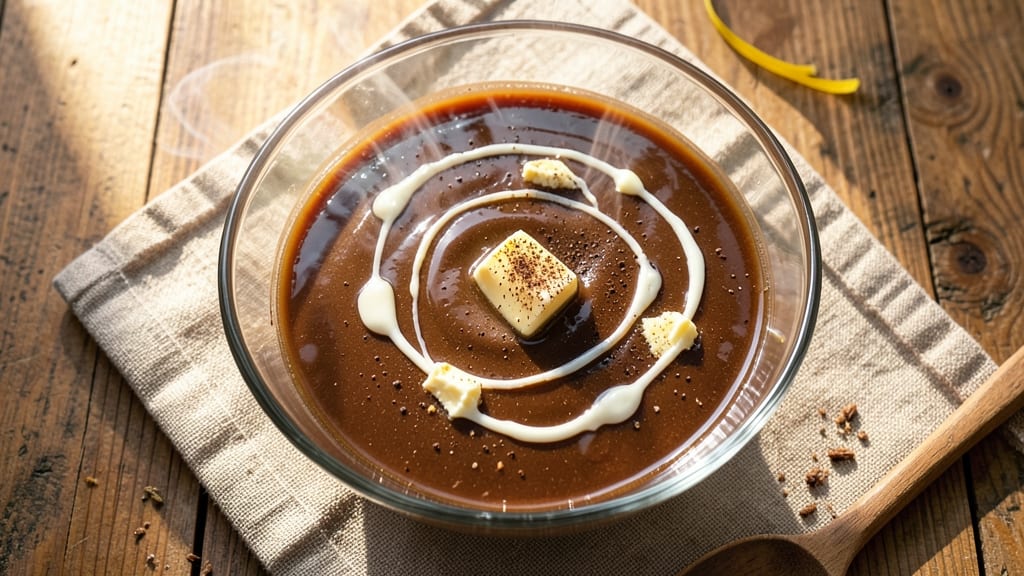
This baker's chocolate sauce recipe transforms simple ingredients into a silky smooth drizzle that elevates every dessert. The secret lies in tempering high-quality chocolate with warm cream and butter, creating a velvety texture that melts effortlessly over ice cream, cakes, or brownies.
I developed this version after testing countless methods—this one delivers consistent results without graininess or separation.
The magic happens when you whisk the chocolate and cream together just until smooth, then finish with butter for that signature richness. No special equipment is needed beyond a saucepan and whisk, making it accessible for home cooks.
The sauce thickens as it cools, perfect for drizzling or dipping, and keeps beautifully in the fridge for up to 2 weeks.
What makes this sauce truly special is its versatility—use it to dress store-bought cookies, enhance homemade cheesecakes, or create decadent chocolate fondue. The flavor profile is balanced: deep cocoa notes with a touch of sweetness that lets the chocolate shine.
Once you try this version, store-bought sauces will never compare.
For an extra layer of sophistication, consider adding a splash of vanilla extract or a pinch of espresso powder while the sauce simmers. The subtle depth enhances the chocolate's complexity without overpowering it. Ready in just 15 minutes, this sauce is the perfect finishing touch for any dessert menu.
Ingredients for bakers chocolate sauce
Eight simple ingredients create this velvety chocolate sauce that transforms desserts instantly.
| Ingredient | Amount | Notes |
|---|---|---|
| Baker's Unsweetened Chocolate Bar 🍫 | 8 oz | High-quality, 100% cacao preferred |
| Heavy Whipping Cream 🥛 | 1 cup | Full-fat for best texture |
| Unsalted Butter 🧈 | ½ cup | Cold, cubed for easy melting |
| Granulated Sugar 🍚 | ¼ cup | Adjust to taste for sweetness |
| Pure Vanilla Extract 🌿 | 1 tsp | Optional but recommended |
| Instant Espresso Powder ☕ | ½ tsp | Enhances chocolate depth |
| Kosher Salt 🧂 | ¼ tsp | Balances sweetness |
| Vegetable Oil 🫒 | 1 tbsp | Prevents graininess |
The chocolate is non-negotiable—Ghirardelli or Guittard bars melt beautifully, but any high-quality baker's chocolate works. I always grab the 100% cacao version for that intense flavor. The heavy cream should be cold when you start; room temperature works too, but cold gives you more control over the temperature. Butter matters here—European-style melts cleaner than American. If you're in a pinch, Earth Balance vegan butter works too, though the texture won't be identical. For the sugar, I use Domino brand because it's consistent, but any granulated will do.
No vanilla? Almond extract at half the amount works in a pinch, though it changes the profile slightly. Skip the espresso powder if you're not a fan—it's optional, but it adds that sophisticated depth that makes this sauce restaurant-quality. The vegetable oil is the secret weapon against graininess; avocado oil works too if you prefer. Want it sweeter? Add more sugar, but don't exceed 0.5 cup total or it'll get cloying. The salt is crucial—Diamond Crystal is my go-to, but any fine sea salt works. If you're making this ahead, store the dry ingredients (chocolate, sugar, spices) separately and mix them in when you're ready to use it.
This sauce thickens as it cools, so don't worry if it looks too thin right after making. For best results, reheat gently in 10-second bursts in the microwave. Keeps 2 weeks in the fridge, sealed tightly. Freezes beautifully for up to 3 months—just thaw in the fridge overnight. The oil helps it reheat smoothly, so you won't get that dreaded grainy texture. Portion into small jars for easy drizzling—ice cube trays work great for single servings.
Why You'll Love This Recipe
- Five-Minute Magic: I swear by this—just melt chocolate, stir in cream, and you’ve got something luxurious. No whisking, no waiting, no stress. The butter and sugar blend so smoothly, you’ll forget it’s this easy.
- Rich Without the Fuss: That first bite? Pure, velvety decadence. The chocolate bar’s deep cocoa plays perfectly with the cream’s silkiness, and a splash of vanilla ties it all together. Honestly, it tastes like you slaved over it, even though you didn’t.
- Dessert’s Best Sidekick: Drizzle it over ice cream, swirl it into whipped cream, or use it to top pancakes—it’s the ultimate flavor booster. I keep a jar in the fridge because it’s always the finishing touch I reach for, no matter what’s on the menu.
- Leftovers That Don’t Let You Down: Make a double batch and store it for weeks. The texture stays perfect, and the cost per serving is a steal—just a few dollars’ worth of ingredients stretch into endless servings. My freezer’s full of it for last-minute treats.
Step-by-step instructions for silky smooth bakers chocolate sauce
Here's how to create the perfect velvety chocolate sauce every time—rich, glossy, and ready to drizzle.
Melt the Chocolate and Butter Together
Place the 8 oz Baker's Unsweetened Chocolate Bar and 0.5 cup Unsalted Butter (cubed) in a medium-sized heatproof bowl. Position this bowl over a pot of simmering water, ensuring the bottom of the bowl doesn't touch the water—this is called a double boiler. The goal is gentle, even heat that melts the chocolate without seizing.
Stir occasionally with a silicone spatula until the chocolate and butter melt completely and the mixture becomes smooth. You'll know it's ready when the chocolate loses its grainy texture and the mixture looks glossy. Remove the bowl from the heat once fully melted—this prevents overheating, which can make the sauce grainy again.
Whisk in Sugar and Espresso Powder
Return the melted chocolate mixture to low heat (or use a clean saucepan) and add the 0.25 cup Granulated Sugar and 0.5 tsp Instant Espresso Powder. Stir constantly with a whisk until the sugar dissolves completely and the mixture is smooth. The espresso powder enhances the chocolate's depth, giving it a sophisticated, slightly bitter note that balances the sweetness.
Here's the thing—don't rush this step. If you see any sugar grains lingering, let the mixture simmer for another 30 seconds until fully incorporated. The sauce should now be thick but still pourable. If it starts to thicken too much, you can thin it later with a splash of cream.
Incorporate the Cream and Oil
Reduce the heat to low and slowly pour in the 1 cup Heavy Whipping Cream while whisking continuously. The cream should warm slightly but not boil—you're looking for a gentle simmer that incorporates the cream smoothly. Add the 1 tbsp Vegetable Oil now to prevent the sauce from becoming grainy as it cools.
Keep whisking for 2-3 minutes until the sauce thickens slightly and coats the back of a spoon. The oil helps stabilize the emulsion, ensuring the sauce stays silky rather than separating. If the sauce looks too thick, you can thin it with a little more warm cream, but it should be thick enough to coat a spoon without dripping.
Finish with Vanilla and Salt
Remove the sauce from heat and stir in the 1 tsp Pure Vanilla Extract and 0.25 tsp Kosher Salt. The salt might seem counterintuitive, but it balances the sweetness and enhances the chocolate's flavor. Let the sauce cool for 5-10 minutes, stirring occasionally to maintain its smooth texture.
For the best results, strain the sauce through a fine-mesh sieve into a clean bowl or pitcher to remove any lumps. This step ensures a silky, professional finish. The sauce should now be glossy, thick, and ready to drizzle over desserts, ice cream, or even pancakes.
Adjust Consistency and Serve
If the sauce is too thick after cooling, gently warm it again and thin it with 1-2 tablespoons of warm cream at a time until it reaches your desired consistency. For a thinner drizzle, use slightly more cream; for a thicker coating, let it cool longer or chill it slightly in the refrigerator.
Taste and adjust the sweetness if needed—add a pinch more sugar if it's too bitter, or a splash of cream if it's too sweet. The sauce should be rich, smooth, and perfectly balanced. Serve warm for the best texture, or store it in an airtight container in the refrigerator for up to 1 week—just reheat gently before using.
Pro Tips For Making Bakers Chocolate Sauce
- CHOP THE CHOCOLATE SMALL: Baker’s chocolate breaks unevenly when melted—chop it into tiny, pea-sized pieces first. I learned this the hard way after scraping burned bits off the bottom of the pot. A sharp knife and a cutting board take 30 seconds and save you from gritty sauce.
- WHISK THE CREAM HOT: Heat the cream until it’s steaming but not boiling—just under 180°F (82°C)—then pour it over the chocolate while whisking like your life depends on it. After burning three batches, I finally realized the chocolate needs that initial shock of heat to melt smoothly, not sit in lukewarm gloom.
- SALT THE BUTTER: Unsalted butter in this sauce? Pinch in a tiny bit of salt—about ¼ teaspoon per ¼ cup of butter. The chocolate’s bitterness will swallow it, but your taste buds will notice the difference. I skip this when I’m lazy, and the sauce tastes flat.
- STRAIN THE SAUCE: No one wants to bite into a chunk of chocolate while eating dessert. After melting everything together, strain the sauce through a fine-mesh sieve into a clean bowl. It’s messy, but the result is silky—no one will guess you took this shortcut.
Pro cooking tips for perfect results
Double Boiler Mastery
Never let your chocolate touch the water in your double boiler—this causes seizing. I use a heatproof glass bowl that fits snugly over a pot of simmering water (not boiling!). Maintain low heat and stir constantly with a silicone spatula to prevent hot spots.
If your chocolate starts to look grainy, immediately remove it from heat and whisk in 1 tsp vegetable oil to restore smoothness. 🌡️
Temperature Control Secrets
Chocolate melts best between 110-120°F—any hotter and it burns, any cooler and it won't melt properly. I monitor temperature with a candy thermometer inserted into the chocolate. If you don't have one, test doneness by dipping a spoon in water—if the chocolate spreads smoothly, it's ready.
For extra insurance, strain the melted chocolate through a fine-mesh sieve to remove any undissolved particles.
Cream Integration Tricks
When adding the 1 cup heavy cream, do it slowly while whisking vigorously to prevent curdling. Warm the cream to 100-110°F first by heating it separately—this ensures even incorporation. The 2-3 minute whisking after adding cream is crucial; this step emulsifies the fat and prevents separation.
If you see any lumps, immediately whisk in ½ tsp vegetable oil to break them up.
Salt and Vanilla Timing
Add the vanilla extract and kosher salt only after removing the sauce from heat—this preserves their delicate flavors from heat degradation. Let the sauce sit for 5-10 minutes before straining; this allows any microscopic air bubbles to rise to the surface.
For restaurant-quality results, I use a Hario fine-mesh strainer—it catches even the tiniest particles while letting the sauce flow freely.
Consistency Adjustments
If your sauce thickens too much while cooling, thin it with warm cream (not hot) in 1-tbsp increments. For a glossy finish, chill the sauce for 30 minutes before serving—this enhances its visual appeal.
Store leftovers in glass jars with a parchment paper barrier to prevent surface drying. Reheat in 10-second microwave bursts, stirring between each, until smooth again.
Pro Equipment Shortcuts
No double boiler? Use a clean microwave-safe bowl—melt chocolate in 20-second intervals, stirring between each, until smooth. For straining without a sieve, wrap cheesecloth around a spoon and press the sauce through.
I keep Ghirardelli chocolate bars and Domino sugar on hand for consistent results. The vegetable oil is non-negotiable—it's the secret to professional texture even when reheating.
Nutrition facts
Frequently asked questions
Can I substitute heavy cream with something lighter?
Yes, but expect a slightly different texture. For a lighter version, use half-and-half or even whole milk (though the sauce will be thinner). For a dairy-free option, coconut cream works well—just reduce the liquid by 2 tablespoons to account for its higher fat content. The sauce will still taste rich, but the mouthfeel will be less velvety.
Why did my chocolate sauce turn grainy?
Graininess usually happens from overheating or uneven melting. To fix it, whisk in 1 teaspoon vegetable oil while the sauce is still warm—this helps break up the grains. For prevention, always use a double boiler and never let the chocolate exceed 120°F. If it's already grainy, straining through a fine-mesh sieve will give you a silky result.
How can I make this sauce sweeter or less sweet?
Adjust the sugar to taste! For a sweeter sauce, add 1-2 tablespoons more sugar while simmering. If it's too sweet, thin with warm cream or add a pinch of espresso powder to deepen the chocolate flavor. Pro tip: Let the sauce cool completely before tasting—it thickens as it sits, which can make it seem sweeter than it is.
Can I use semi-sweet chocolate instead of baker's chocolate?
Technically yes, but the flavor will be completely different. Baker's chocolate is 100% cacao, giving that deep, intense chocolate taste. Semi-sweet has added sugar and milk solids, which will make your sauce sweeter and less rich. If you must use it, reduce the sugar by 2 tablespoons and add an extra ½ teaspoon espresso powder to compensate for the milder flavor.
How do I store leftovers for the best texture?
Store in an airtight container in the fridge for up to 2 weeks. To reheat, microwave in 10-second bursts, stirring between each, until smooth. For long-term storage, freeze in ice cube trays**—thaw overnight in the fridge. The oil in the recipe prevents graininess even after reheating, so you won't lose that silky texture!