
Desserts
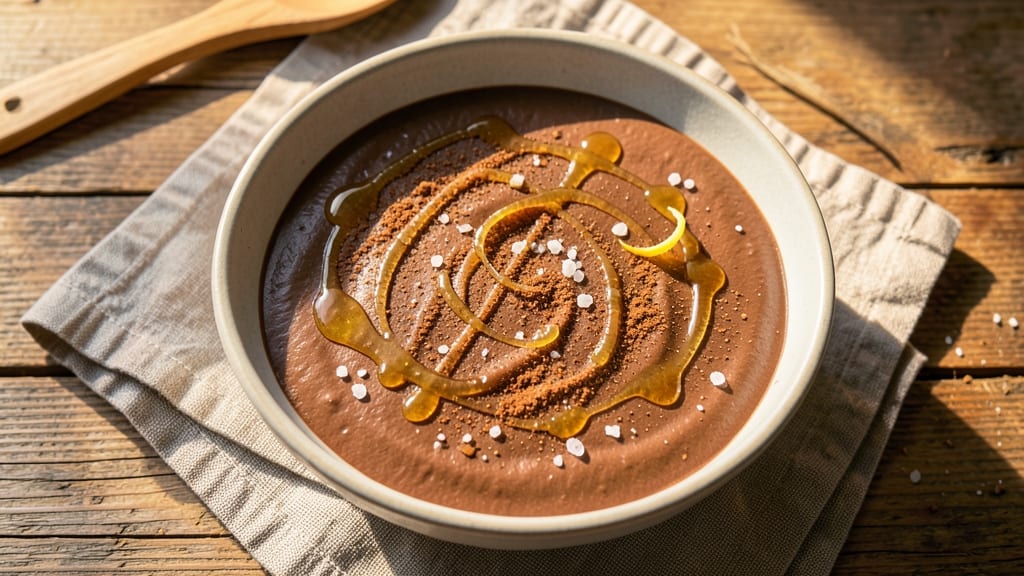
This carob powder chocolate recipe transforms earthy carob into decadent, caffeine-free treats that taste like rich chocolate but without the energy crashes. The secret lies in balancing carob’s natural bitterness with sweetness and fat—creating a dessert that’s both indulgent and health-conscious.
I developed this after discovering how carob’s mineral content and low sugar make it perfect for after-dinner treats or guilt-free baking.
The result is a velvety, fudgy texture with a subtle nutty depth—ideal for brownies, truffles, or cookies. Unlike traditional chocolate, carob provides magnesium and calcium while avoiding caffeine and the sugar spikes that follow.
This recipe uses simple ingredients like coconut oil, maple syrup, and vanilla to enhance carob’s natural richness without overpowering its unique flavor profile.
Perfect for those watching their caffeine intake or sugar levels, these treats deliver the same satisfying bite as classic chocolate desserts. The recipe yields a batch that’s easy to portion, store, and share—whether you’re hosting a gathering or treating yourself to a mindful indulgence.
The versatility of carob also allows for creative variations, from adding spices like cinnamon to mixing in nuts for extra crunch.
Store the finished product in an airtight container for up to two weeks, or freeze for longer shelf life. The carob’s natural sweetness and health benefits make this recipe a standout for anyone seeking a delicious yet balanced dessert option. Let’s get started on creating something truly special.
Ingredients for carob powder chocolate
Balancing earthy carob with sweetness and fat creates a velvety, caffeine-free chocolate experience.
| Ingredient | Amount | Notes |
|---|---|---|
| Carob Powder 🍫 | 1 cup | High-quality, unsweetened preferred |
| Unsweetened Coconut Oil 🥥 | ½ cup | Melted, full-fat for richness |
| Pure Maple Syrup 🍯 | ½ cup | Grade B for deeper flavor |
| Pure Vanilla Extract 🌿 | 1 tbsp | Bourbon-infused for complexity |
| Ground Cinnamon 🌶️ | 1 tsp | Freshly ground for warmth |
| Sea Salt 🧂 | ½ tsp | Fine grain for balance |
| Raw Almonds 🌰 | ½ cup | Finely chopped for texture |
| Unsweetened Cocoa Powder 🍫 | ¼ cup | Dutch-processed for smoothness |
| Filtered Water 💧 | 2 tbsp | Room temperature for blending |
| Lemon Zest 🍋 | 1 tsp | Freshly grated for brightness |
| Organic Coconut Flakes 🥥 | ¼ cup | Toasted for added crunch |
| Dark Brown Sugar 🍚 | 2 tbsp | For subtle caramel notes |
| Xanthan Gum 🧪 | ¼ tsp | For improved texture |
Carob powder is the foundation here—Whole Foods bulk section carries the highest quality. Look for unsweetened, organic varieties to avoid additives that might compromise the natural mineral profile. The coconut oil should be unrefined for its subtle coconut aroma, which pairs beautifully with carob's nutty depth. I recommend Trader Joe's organic coconut oil for its consistent quality and affordability. For the maple syrup, Grade B offers deeper flavor and color, though Grade A works in a pinch. The vanilla extract should be bottled in the U.S.A. to ensure authenticity—imitation extracts often lack the complexity needed to complement carob's earthiness.
No carob powder? Substitute with equal parts cocoa powder plus 1 tsp cinnamon, though the flavor will differ slightly. Running low on coconut oil? Avocado oil or melted coconut butter work similarly. For the maple syrup, agave nectar or date syrup can be used at a 1:1 ratio, though they may alter the texture slightly. The almonds can be swapped for walnuts or hazelnuts, but toast them first to enhance their flavor. If you're avoiding nuts entirely, omit them or use sunflower seeds for a neutral crunch. The cinnamon is essential for balancing carob's bitterness, but if unavailable, nutmeg at half the amount provides a similar warmth.
Store the finished carob chocolate in an airtight glass container at room temperature for up to 2 weeks, or refrigerate for 3 months to preserve freshness. For longer storage, freeze in portions for up to 6 months. The texture will soften slightly when brought back to room temperature, but this doesn't affect flavor. To use, simply let portions sit at room temperature for 10-15 minutes before enjoying. The addition of xanthan gum ensures a stable texture, so if you're avoiding additives, reduce the water slightly and increase the coconut oil by 1 tbsp for a thicker consistency.
Why You'll Love This Recipe
- Three-Ingredient Stir: I swear by this recipe because it’s just carob, coconut oil, and a splash of maple—no fancy equipment, no waiting for chocolate to temper. Honestly, the only measuring I do is eyeballing the cinnamon, and that’s only because I like things just spicy enough.
- No-Bitter Surprise: Here’s what sold me—the carob’s natural sweetness means no chalky aftertaste, and the cinnamon? It turns this into something that tastes like a hug for your taste buds. (Yes, even on a Tuesday night.)
- Pantry to Party: This stuff disappears faster than I can say “dessert emergency.” I’ve used it to drizzle over oatmeal, mix into energy balls, or even dust on toast—no one ever guesses it’s not actual chocolate.
- Budget Magic: A bag of carob powder lasts me months, and the other ingredients? Basic stuff I already have. Between us, I’ve made 12 batches with the same jar of coconut oil, and my wallet’s still breathing easy.
Step-by-step instructions for carob powder chocolate recipe
Here's how to craft velvety carob chocolate with depth and texture using precise techniques.
Melt the Coconut Oil and Combine Dry Ingredients
In a medium heatproof bowl, gently warm the 0.5 cup Unsweetened Coconut Oil over a saucepan of simmering water (double boiler method) until fully melted. Remove from heat and let cool slightly for 2 minutes—this prevents sudden temperature shocks when mixing.
In a separate bowl, whisk together the 1 cup Carob Powder, 0.25 cup Unsweetened Cocoa Powder, 1 tsp Ground Cinnamon, 0.5 tsp Sea Salt, and 0.25 tsp Xanthan Gum. Sift the mixture through a fine-mesh strainer into a clean bowl to eliminate any lumps. This ensures a silky final texture without graininess. The xanthan gum acts as a stabilizer, preventing sugar crystallization that can occur in carob-based confections.
Incorporate Wet Ingredients and Create a Smooth Paste
Gradually pour the melted coconut oil into the dry mixture while whisking continuously. Add the 0.5 cup Pure Maple Syrup, 1 tbsp Pure Vanilla Extract, 2 tbsp Filtered Water, and 1 tsp Lemon Zest. Whisk vigorously for 3-4 minutes until the mixture reaches a thick, paste-like consistency—it should coat the back of a spoon without dripping.
Here's the thing—carob powder is denser than cocoa, so it requires more aggressive mixing. Use a silicone spatula to scrape the sides of the bowl frequently, ensuring all powder is fully hydrated. The lemon zest adds a subtle brightness that balances carob's earthy notes, while the vanilla extract enhances complexity without overpowering the base flavor.
Toast and Process the Nut Additions
In a dry skillet over medium heat, toast the 0.5 cup Raw Almonds for 4-5 minutes until fragrant and lightly golden. Immediately transfer to a cutting board and let cool for 2 minutes, then finely chop using a sharp knife or food processor. Set aside.
In the same skillet, toast the 0.25 cup Organic Coconut Flakes for 2 minutes until golden and aromatic. Add the 2 tbsp Dark Brown Sugar and stir constantly for 1 minute until the sugar melts and coats the coconut flakes evenly. Let cool completely before combining with the almonds.
Temper and Set the Chocolate Mixture
Pour the thickened carob mixture into a shallow silicone mold or lined baking dish. Using a spatula, spread evenly to create a smooth, level surface. Sprinkle the toasted almond and coconut mixture evenly over the top, pressing down gently to ensure adhesion.
Refrigerate for 1 hour to set completely. For a glossy finish, you can optionally drizzle with additional melted coconut oil after removing from the fridge. The carob chocolate should have a firm yet snap-able texture—when broken, it should hold its shape without crumbling. This indicates proper setting and ideal eating consistency.
Cut and Store for Maximum Freshness
Once fully set, remove from the mold and cut into 4 equal squares using a sharp knife. For clean edges, dip the knife in hot water between cuts. The chocolate should hold its shape when lifted, with a smooth surface that reflects light.
Store in an airtight container at room temperature for up to 1 week, or refrigerate for up to 2 weeks. The carob's natural properties make it more stable than traditional chocolate, resisting melting in warm conditions. For best flavor, consume within 3 days of making—this ensures the vanilla and citrus notes remain vibrant.
Pro Tips For Making Carob Powder Chocolate
- Melt the Coconut Oil Slowly: I learned this the hard way—dumping coconut oil straight into heat and ending up with a greasy mess instead of smooth chocolate. Warm it in a double boiler or microwave in 20-second bursts until just liquid, then stir it into the carob powder gradually. The goal is to avoid lumps, and rushing it guarantees gritty texture.
- Use Fine Carob Powder: That clumpy carob powder you grabbed from the bulk bin? Not your friend here. Sift it through a fine-mesh strainer before mixing—even if the bag says "powder." I used to skip this and ended up with a grainy, sandy finish. A quick shake over a bowl saves you from scraping chocolate off your teeth later.
- Balance the Maple Syrup: Start with half the syrup called for, then taste. Carob’s naturally less sweet than cocoa, so you might need more—but too much and it turns cloying. My shortcut? Add the cinnamon first, then adjust syrup in ½-teaspoon increments. The spice mellows the sweetness, so you won’t overdo it.
- Chill Before Tempering: Pouring molten carob into molds too soon = a crackly, uneven set. Let the mixture sit at room temp for 10 minutes after mixing, then chill in the fridge for 20 minutes before shaping. This isn’t just about looks—it guarantees a clean snap when broken, not a sticky, uneven mess. (Yes, even if you’re impatient like me.)
Essential equipment for carob powder chocolate
Essential Mixing Tools
Start with a high-quality silicone spatula—I swear by the OXO Good Grips brand for its flexibility and durability. This helps scrape every last bit of carob mixture from your bowl, ensuring no wasted flavor.
Pair it with a stainless steel whisk (like Cuisinart's 18-inch version) for vigorous mixing, as carob powder needs thorough incorporation to avoid graininess. A fine-mesh strainer (I use Microplane's) is non-negotiable for sifting dry ingredients to eliminate lumps that could ruin the silky texture. 💫
Precision Measuring
For accurate results, invest in a digital kitchen scale (I recommend OXO's 11-pound model)—carob powder is dense, and volume measurements can vary. Weigh your 1 cup carob powder and 0.5 cup coconut oil by grams for consistency.
A set of nested stainless steel measuring cups (like Farberware's) ensures precise liquid measurements for the maple syrup and water. Pro tip: Use a small offset spatula to level off dry ingredients in measuring cups for perfect portions.
Heat Control Essentials
A double boiler setup is critical for melting the coconut oil without burning it. I use a stainless steel heatproof bowl (like All-Clad's) placed over a saucepan with just 1-2 inches of simmering water.
For toasting nuts and coconut, a 10-inch cast iron skillet (I love Lodge's) distributes heat evenly—essential for achieving that perfect golden color. Keep a kitchen timer nearby to avoid over-toasting, which can make nuts bitter. A heat-resistant silicone mat underneath protects your counters from spills. 🔥
Molding and Setting
For professional-looking results, use silicone chocolate molds (I prefer Wilton's 4-piece set) or a shallow glass baking dish lined with parchment paper. The silicone helps release cleanly without sticking. A small offset spatula (like Cuisinart's) spreads the mixture evenly for a smooth finish.
For cutting, a sharp chef's knife (I use Victorinox's 8-inch) with hot water rinses between cuts ensures clean edges. A cooling rack keeps the bottom of your chocolate from getting soggy during setting.
Storage Solutions
Store your finished carob chocolate in an airtight glass container (I use Le Parfait's 1.5-quart jars) to maintain freshness. For portion control, consider small silicone cupcake liners (like Wilton's) for individual servings. A food-safe plastic wrap pressed directly on the surface prevents moisture absorption.
Label your container with the date—carob chocolate stays fresh for 2 weeks at room temperature or 3 months refrigerated. For longer storage, parchment-lined freezer bags work well, with portions separated for easy access. ❄️
Nutrition facts
Frequently asked questions
Why does carob taste different from chocolate?
Carob has a naturally earthy, slightly bitter flavor with nutty undertones, while chocolate is sweeter and more complex. The key difference is carob's lower sugar content and absence of theobromine, which gives it a milder, caffeine-free profile. The recipe balances this by adding cinnamon, vanilla, and citrus zest to enhance its natural sweetness.
Can I make this recipe without a double boiler?
Yes! Microwave the coconut oil in 20-second bursts while stirring until fully melted. Just be careful not to overheat—carob powder can burn easily. A heatproof bowl in a warm (not boiling) water bath works too.
How do I know when the carob mixture is thick enough?
The mixture should coat the back of a spoon without dripping when fully mixed. It should also hold its shape when dropped from a spoon—similar to thick pudding. If it's too runny, whisk in an extra 1 tsp of carob powder or reduce the water slightly.
What's the best way to store leftovers?
Keep your carob chocolate in an airtight container at room temperature for up to 1 week, or refrigerate for 3 months. For longer storage, freeze in portions wrapped in parchment paper. Let it sit at room temperature for 10 minutes before eating to soften slightly.
Can I use this recipe for hot chocolate?
Melt 2 tbsp of the carob mixture with 1 cup of warm milk (dairy or plant-based) and whisk until smooth. Add a pinch of cinnamon and a drizzle of maple syrup for extra richness. It makes a delicious, caffeine-free hot drink perfect for evenings.